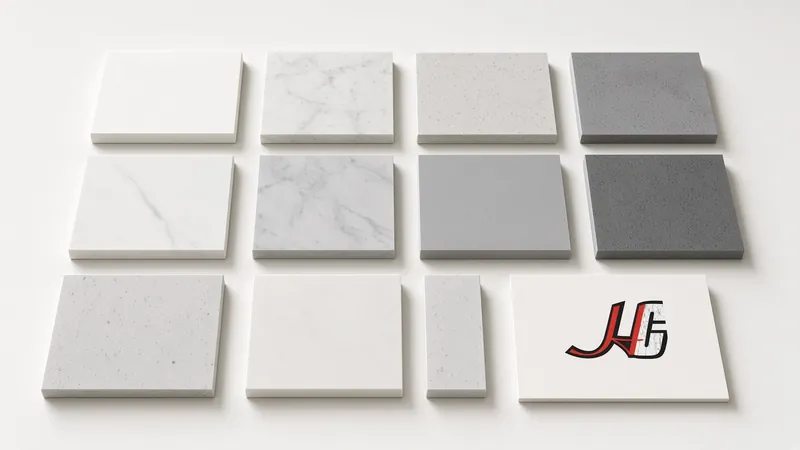
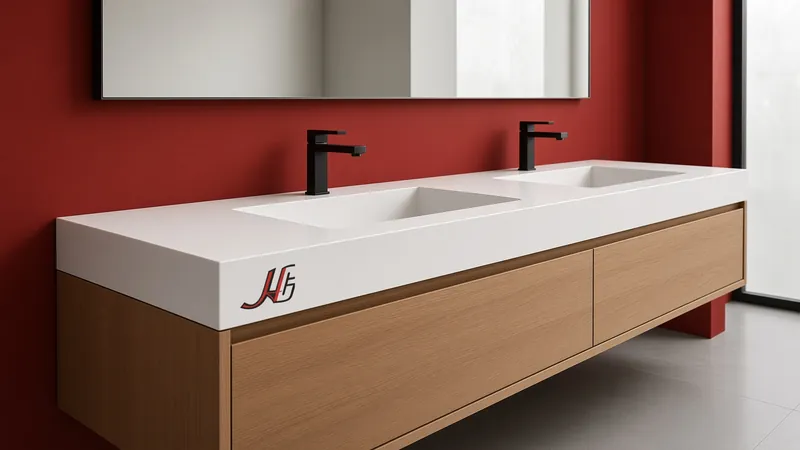
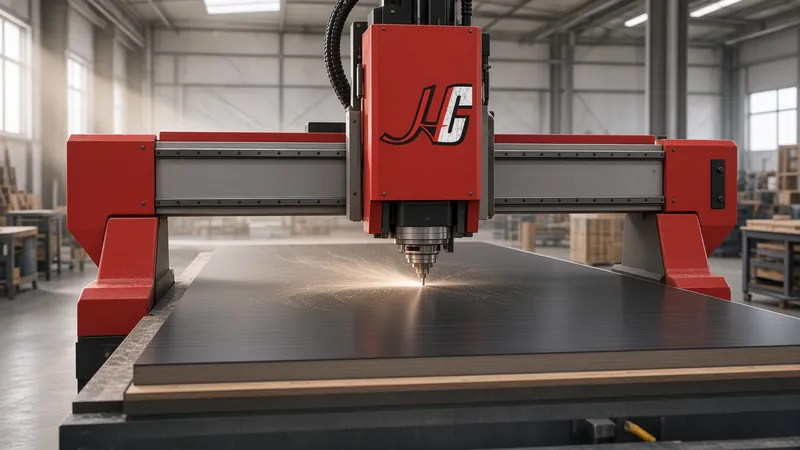
Corian is a solid surface: acrylic resin bound with natural minerals, 12 mm thick and non-porous all the way through. It is heated and formed into basins and curves, joined with an invisible seam, and sanded to one uniform finish, so a worktop, its basin and its splashback become a single surface. It needs no sealing and little care; this is the guide we hand over with every installation.
Wipe with water and dry with a paper towel or a soft cloth. If marks remain, use a mild cleaner without abrasives, then rinse and dry.
02Heavier soiling
Hot water with a clean cloth, washing powder, liquid soap or bar soap. Let the solution work for a moment, rinse with clean water or a glass cleaner, and wipe dry so that no streaks form. A plastic sponge or a nylon brush helps; do not scour.
03Stains
Because the surface is non-porous, liquids cannot penetrate it, but spills should still be wiped up promptly. Avoid aggressive cleaners such as heavy-duty degreasers, metal polishes, toilet-bowl and oven cleaners.
Limescale. Warm water with up to 10% vinegar or lemon acid; rinse with warm water afterwards.
Wax. Lift with a plastic or wooden spatula, never a blade; level any residue with blotting paper.
Water-based paints, inks and adhesives. Fresh: warm water. Dried: ethanol, acetone, benzine or nail-polish remover.
Solvent-based paints and adhesives. Fresh: the matching solvent. Dried: ask the supplier for the right solvent and give it time to work.
Two-component adhesives and lacquers. These cannot be removed once cured. Clean immediately with the organic solvent the adhesive supplier recommends.
Silicone sealants. Lift mechanically with a plastic or wooden spatula, then use a silicone remover if needed, without leaving it on the surface for long.
Streaks after solvent cleaning. Hot water, then dry with a clean soft cloth or paper towel.
04Chemical resistance
Corian resists most household and laboratory chemicals: solvents, disinfectants, dyes, bleaching agents, cosmetics and medicines. Concentration, pH, contact time and temperature decide whether a substance leaves a mark, so aggressive chemicals should be removed at once, and strong solvents and oxidisers should not be left on the surface.
05Why architects specify it
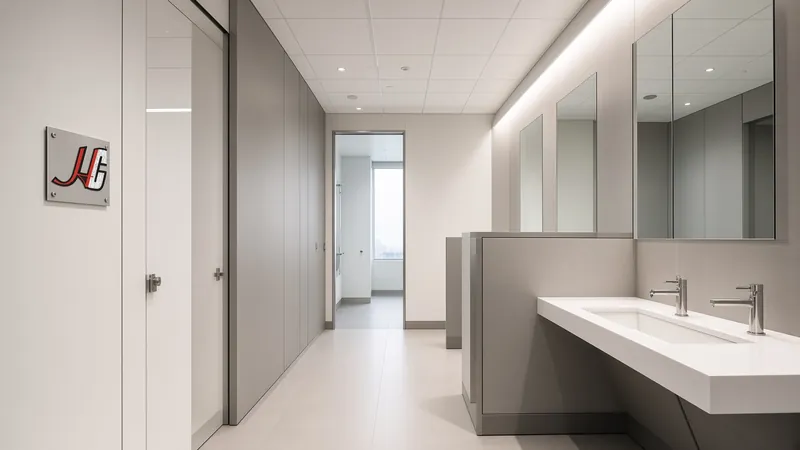
Non-porous. It does not absorb liquids, does not stain and does not harbour bacteria, which makes it the surface of choice for hospitals, clinics and kitchens.
Seamless. Joints are invisible, so there is nowhere for dirt to sit and daily cleaning is a wipe.
Formable. Basins, curves and shop fronts are made from the same sheet, and a brand name can be inlaid in the same material.
More than 100 colours.
Fire. Resists combustion for up to 30 minutes and does not give off the toxic smoke that causes deaths in fires.
Acids and chemicals. It does not react with them, so it suits laboratories.
Facades. It can be fitted outdoors on a building front.
06Where it is used
Kitchens and bathroom units, basins and vanities, counters and reception desks, shop fronts, and the wet rooms of homes, hospitals, restaurants, airports, hotels and boats.